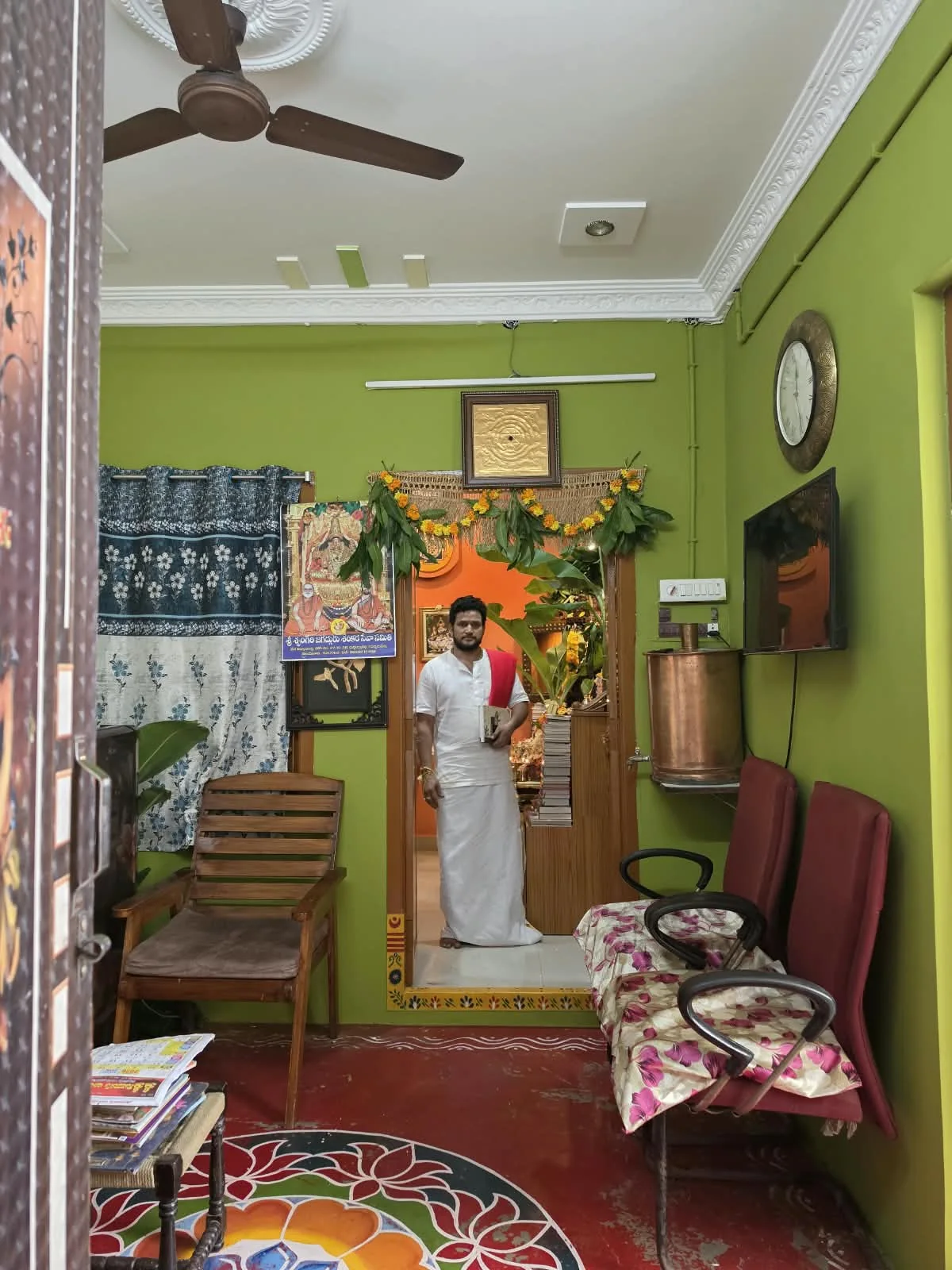
Hampi Chakrasiddhi Jyothishyalayam · Vijayawada
Vastu Shastra is the ancient Indian science of spatial design and energy alignment. It is based on the understanding that a building is not just a physical structure — it is a living space that interacts with the five elements (Pancha Bhutas), the directions, and the people living or working within it.
When a home or office is not aligned with Vastu principles, the energy within it can create friction — affecting health, finances, relationships, and peace of mind in ways that are difficult to pinpoint through conventional reasoning. Correcting these imbalances, however, often does not require demolishing walls. Most adjustments are practical and cost-effective.
Residential Vastu
For homes, Pandit Shastri evaluates the following critical zones:
- Main entrance direction — the facing direction of the home is the most fundamental Vastu factor. North and east-facing entrances are generally most auspicious.
- Kitchen placement — ideally in the southeast (the zone of Agni, fire), and the cook should face east while preparing food.
- Master bedroom direction — the southwest promotes stability; sleeping with the head pointing south is recommended in Vastu.
- Children's room — northwest or west sectors support academic focus.
- Pooja room — northeast (Ishanya) is the most auspicious zone for prayer and spiritual practice.
- Overhead water tanks and bore wells — location matters significantly in Vastu.
Commercial & Office Vastu
For businesses, Vastu analysis focuses on the direction of the main entrance, the owner's seating direction (ideally facing north or east), placement of the accounts and cash register, the position of heavy machinery (southeast), and the reception area. Many business owners in Vijayawada who come with complaints of persistent losses or difficulty retaining good employees have found measurable improvement after making targeted Vastu corrections.
Site Selection for New Construction
If you are purchasing a plot or planning a new construction, early Vastu consultation can prevent costly corrections later. Pandit Shastri advises on plot shape, the slope of the land, surrounding structures, road placement relative to the plot, and the ideal orientation for the proposed building.
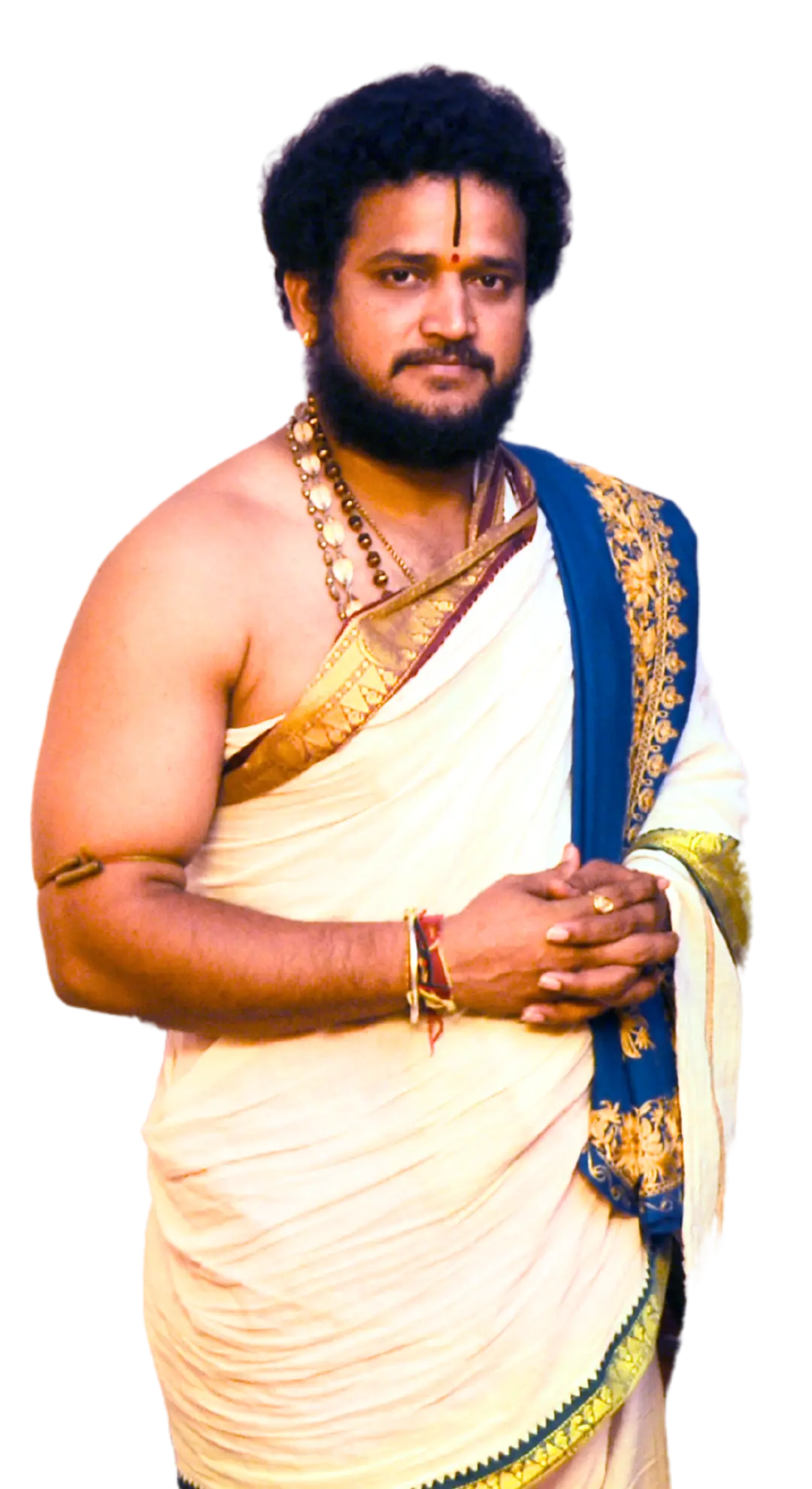
Pandit Hampi Ravishankar Shastri
Pandit Shastri has conducted Vastu consultations for homes, offices, shops, and commercial complexes across Vijayawada, Krishna and Guntur districts for over two decades.
Helpful reading
Explore the topic and prepare your questions before arranging an appointment.
How your enquiry details are handled