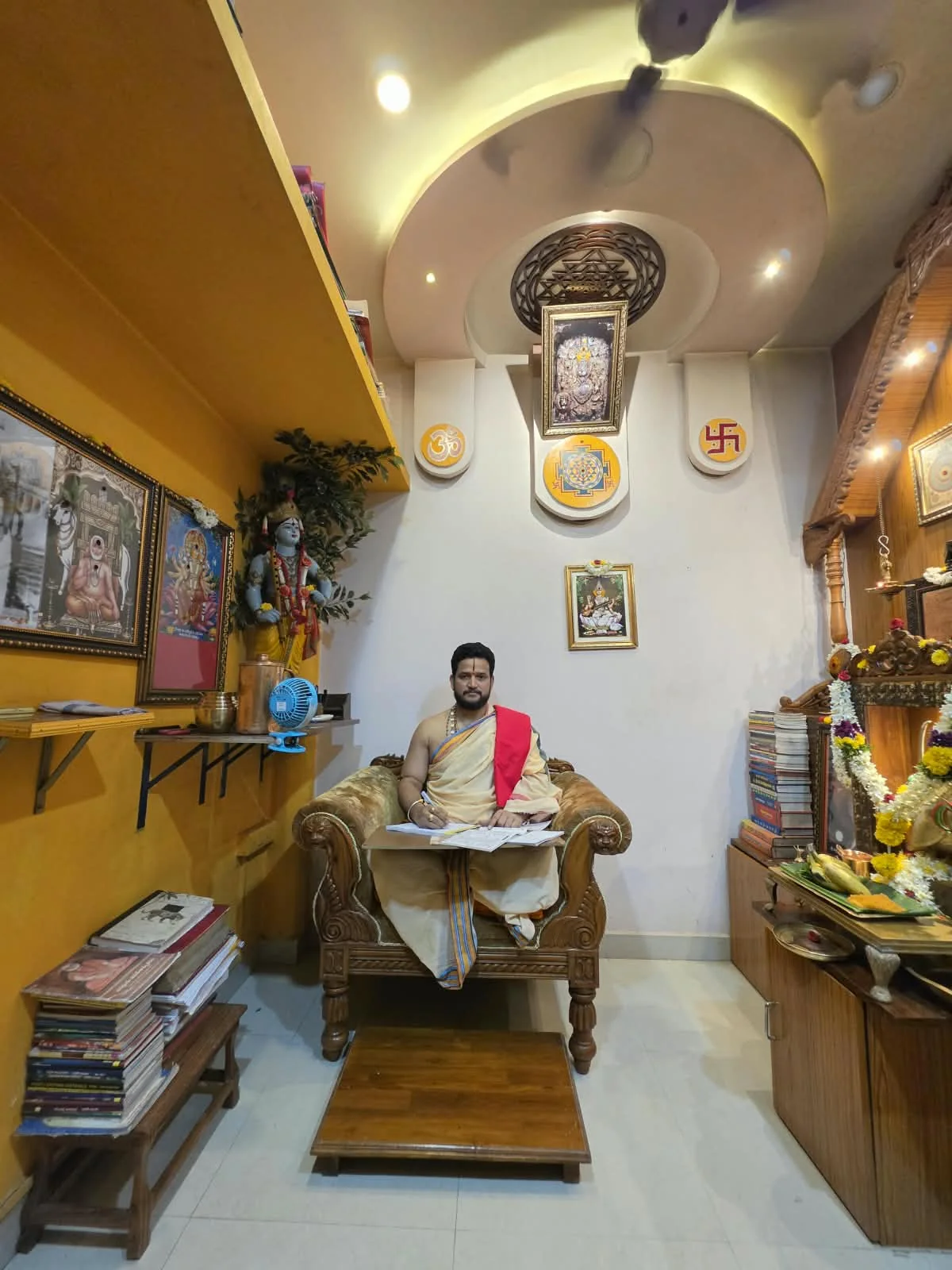
Hampi Chakrasiddhi Jyothishyalayam · Vijayawada
Marriage is one of the most significant decisions in a person's life, and in the Telugu tradition, matching horoscopes before a wedding is not superstition — it is due diligence. A properly done kundali matching goes far beyond checking a guna score. It examines the long-term compatibility of two people across every major life domain.
Pandit Ravishankar Shastri has guided hundreds of families in Vijayawada, Guntur, Eluru, and beyond through this process. He sees his role as providing honest, detailed information — not simply approving or rejecting a match, but helping families understand the specific strengths and areas of caution in a proposed alliance.
The Ashtakoot System (36 Gunas)
The most widely known matching method in the Vedic tradition is the Ashtakoot system, which evaluates compatibility across eight parameters (koots), each with a different maximum score adding up to 36:
- Varna (1 point) — spiritual and social compatibility
- Vashya (2 points) — degree of mutual attraction and control
- Tara (3 points) — health and longevity compatibility
- Yoni (4 points) — physical and intimate compatibility
- Graha Maitri (5 points) — intellectual and mental compatibility
- Gana (6 points) — temperament and nature compatibility
- Bhakoot (7 points) — family welfare, health, and prosperity
- Nadi (8 points) — health of offspring and constitutional compatibility
Beyond the Guna Score
The guna score is a starting point, not a verdict. Pandit Shastri examines the full birth charts of both individuals, paying particular attention to:
- The 7th house (marriage house) and its lord in both charts
- Venus and Jupiter placement — the natural significators of marriage and happiness
- Dasa-Bhukti compatibility — are the ruling planetary periods aligned during the proposed marriage years?
- Mangal dosha, Kuja dosha, and their cancellation conditions
- Nadi dosha exceptions — important because Nadi dosha is often over-applied
- Papa Samya — overall balance of afflictions in both charts
What the Report Covers
After the consultation, families receive a verbal summary (and PDF for online clients) covering the overall compatibility score with explanation, specific dosha findings and whether they are cancelled, advice on the best timing for the marriage ceremony (muhurta guidance if needed), and any suggested remedies for mild doshas.
Frequently Asked Questions
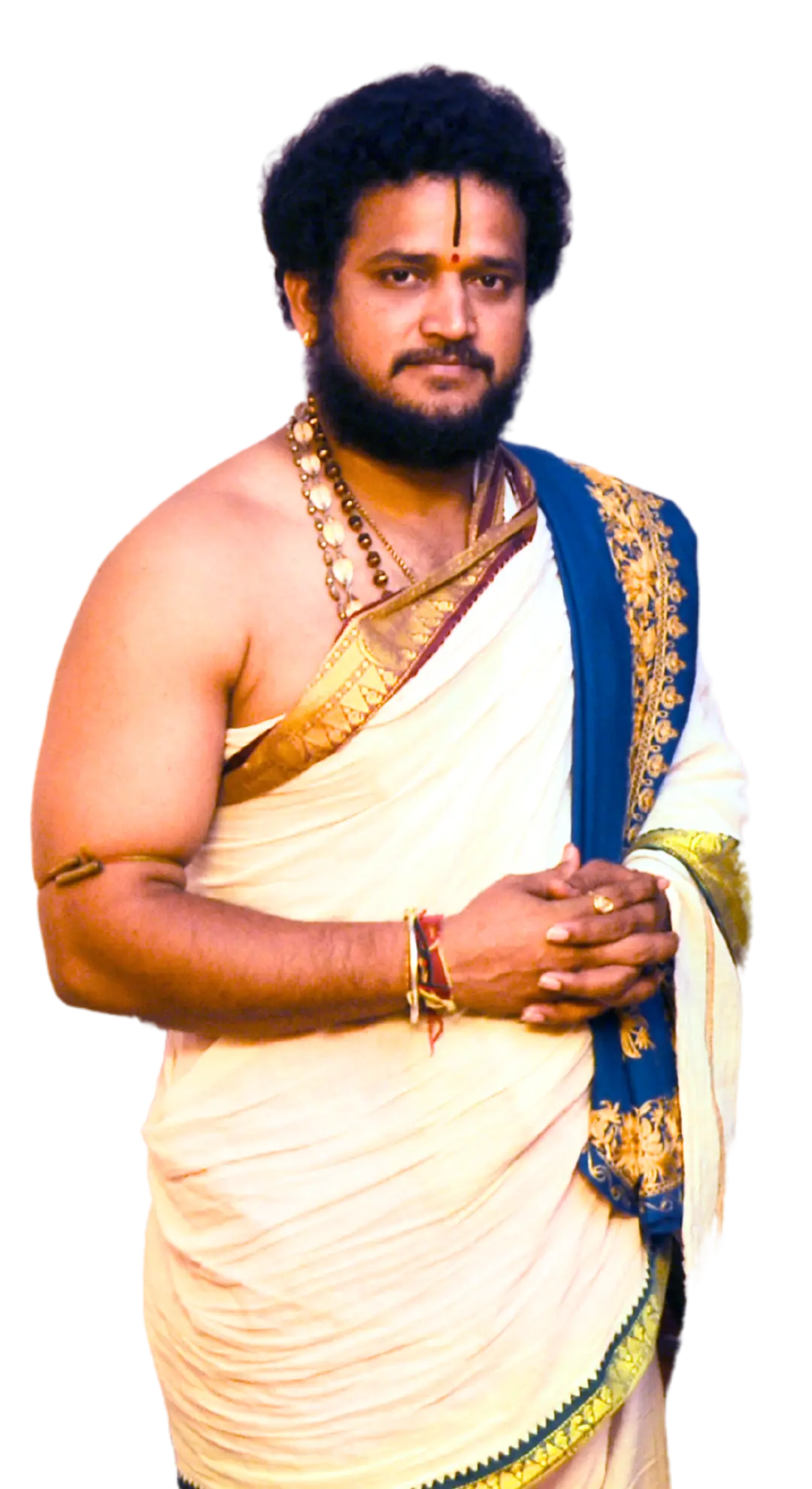
Pandit Hampi Ravishankar Shastri
Kundali matching is one of Pandit Shastri's most requested services. He has guided families from across Andhra Pradesh and Telangana, including many Telugu-speaking families from Hyderabad, for over 25 years.
Helpful reading
Explore the topic and prepare your questions before arranging an appointment.
How your enquiry details are handled