Hampi Chakrasiddhi Jyothishyalayam · Vijayawada
In Vedic astrology, a dosha is a planetary affliction in the birth chart — a condition where a planet's negative influence is strong enough to create consistent challenges in a specific area of life. Dosha nivarana (removal or mitigation) through Vedic puja and homam is one of the oldest and most important aspects of spiritual astrology practice.
Pandit Ravishankar Shastri performs dosha nivarana rituals according to traditional procedures. The identification of the dosha comes first through chart analysis, followed by the selection of the appropriate remedy. Not every planetary affliction requires a puja — mantra practice, fasting, and gemstones are often sufficient for mild cases. Pujas are recommended when the impact is substantial or when a major life event is approaching.
Common Doshas and Their Impact
- Kalsarpa Dosha — all seven planets trapped between Rahu and Ketu. This can create recurring obstacles, delays, and a sense that effort is not proportionately rewarded. The remedies are specific to which of the twelve Kalsarpa variants is present.
- Mangal (Manglik) Dosha — Mars affliction relevant primarily to marriage. Remedies are especially recommended before marriage when both partners have dosha, or when only one does but the score is severe.
- Pitru Dosha — an affliction related to ancestral karma, often manifesting as persistent health issues, difficulty with children, or unexplained family disruption. Tarpanam and Pitru Puja are the primary remedies.
- Shani (Saturn) Dosha — including Saade Saati (7.5 years of Saturn transit) and Dhaiya (2.5 years). Specific Shani pujas and mantras help navigate these periods with less friction.
- Graha Shanti Homam — a comprehensive fire ritual that pacifies multiple planetary afflictions simultaneously, recommended before major life events like marriage, new business, or house construction.
How the Puja is Conducted
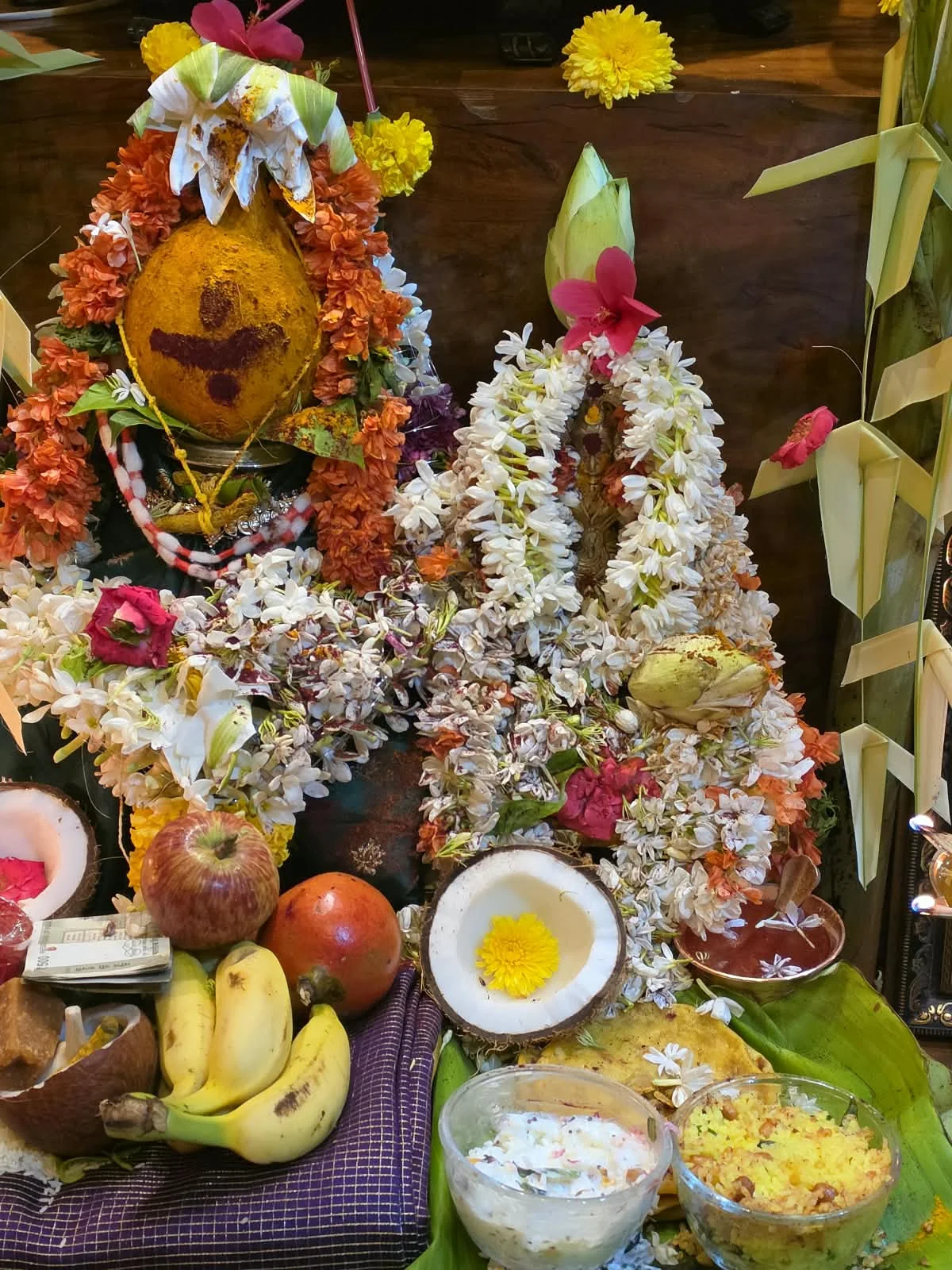
Traditional dosha nivarana pujas follow the procedures detailed in the relevant Agama and Graha Shanti texts. The ritual involves invoking the specific planetary deity through mantra, offering specific materials (herbs, grains, oils, flowers), and conducting a homa (fire offering) in the prescribed manner. The process typically takes 3–6 hours depending on the complexity of the ritual.
For clients who cannot travel to Vijayawada, pujas can be performed on their behalf with their birth details and name, and the prasad (sacred offering remains) is sent by post or courier.
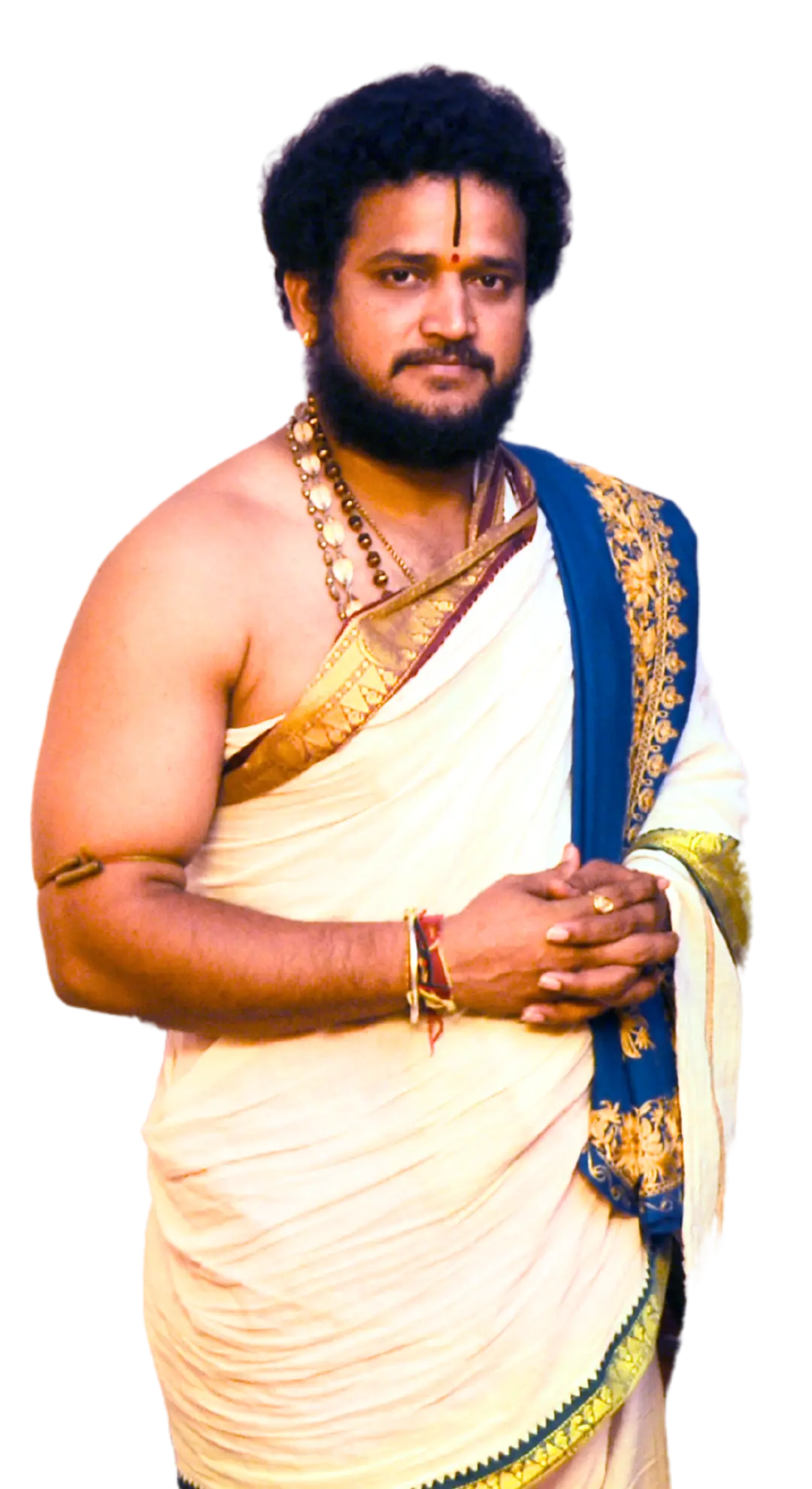
Pandit Hampi Ravishankar Shastri
Pandit Shastri is trained in traditional Vedic puja procedures. He performs all rituals personally, following authentic procedures passed down through his family lineage in Vedic practice.
Helpful reading
Explore the topic and prepare your questions before arranging an appointment.
How your enquiry details are handled