Relationships are the arena where our deepest patterns play out. Whether it's a romantic relationship, a friendship that has gone wrong, a sibling rivalry that has grown into estrangement, or a parent-child bond that feels broken — the underlying patterns are often visible in the birth chart.
Vedic astrology has a sophisticated framework for understanding how people relate, what they seek in connection, where they are naturally giving or protective, and where they create friction without meaning to. Pandit Ravishankar Shastri uses this framework not to assign blame but to help people understand themselves and their relationships more clearly.
The Moon and Relationship Emotional Patterns
The Moon in Vedic astrology is perhaps the most important planet for relationships — more so than Venus in many ways. The Moon represents the mind, emotions, and habitual emotional responses. Two people whose Moons are in compatible signs and nakshatras tend to have an instinctive emotional understanding. Two whose Moons are in incompatible signs may feel perpetually misunderstood by each other despite strong attraction or shared values.
Venus and How We Love
Venus shows how a person expresses affection, what they find beautiful and desirable, and how they behave in romantic situations. A Venus in Scorpio expresses love very differently from a Venus in Taurus or Venus in Gemini. When two people's Venus placements are in signs that naturally conflict, they may have completely different love languages — one craving intense emotional depth, the other preferring light, playful connection. Recognising this removes a great deal of unnecessary hurt.
Timing and Relationship Cycles
Not every difficult period in a relationship is a sign that something is fundamentally wrong. A Rahu or Saturn transit over the 7th house, or the start of a Ketu Dasa, commonly brings a phase of emotional distance, questioning, or conflict that lifts naturally once the period ends. Pandit Shastri helps couples understand when they are in a challenging planetary phase and provides both remedies and the reassurance that the difficulty has a natural end point.
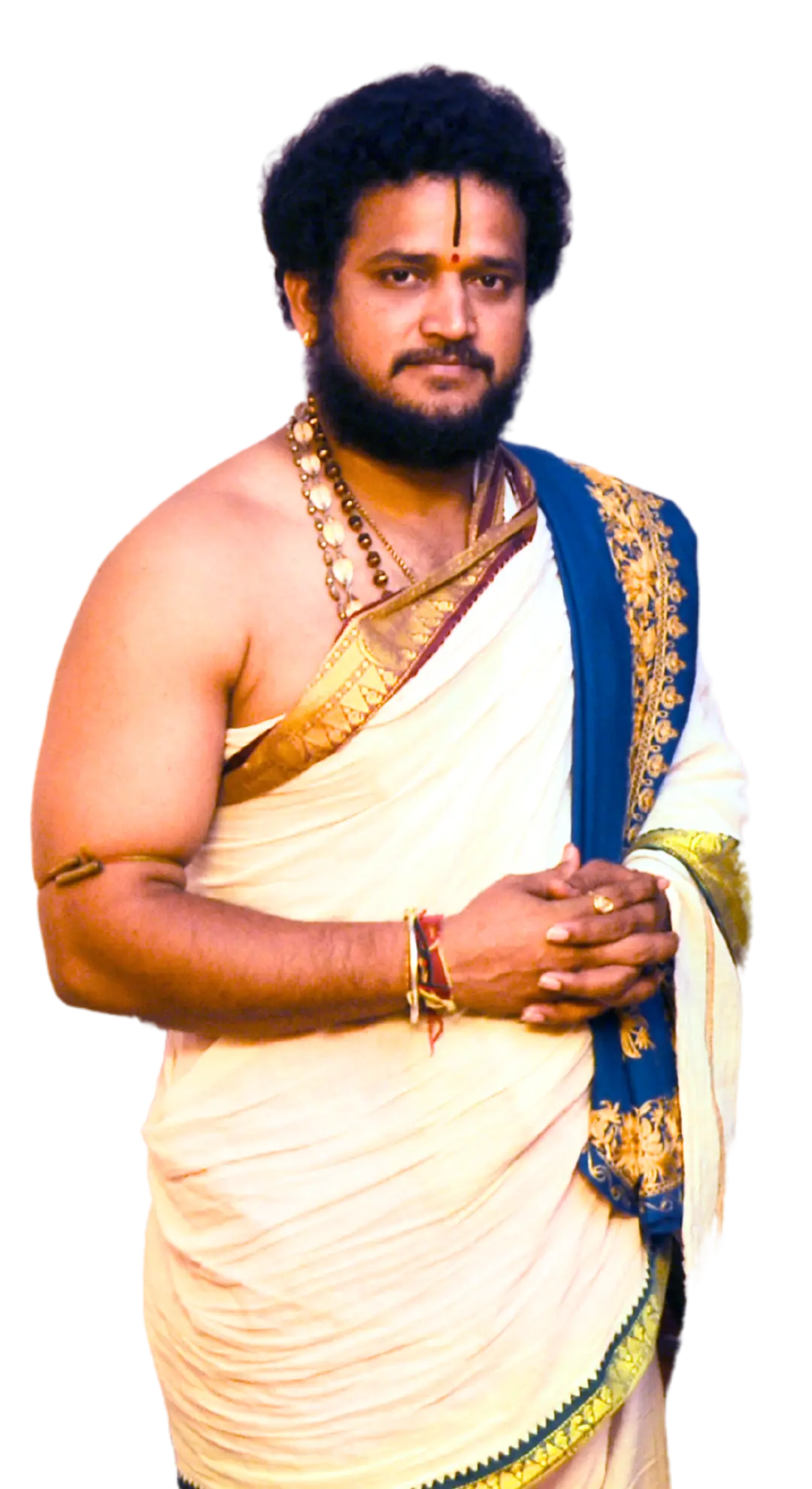
Pandit Hampi Ravishankar Shastri
Pandit Shastri brings warmth and genuine insight to relationship consultations, helping people across Vijayawada and Andhra Pradesh understand themselves and their connections more deeply.
Helpful reading
Explore the topic and prepare your questions before arranging an appointment.
How your enquiry details are handled